Contact Info
-
Branch 1: Pallav Towers, Pallavpuram Phase 2, Modipuram.
-
Branch 2: 11, Tyagi Hostel Market, W. K. Road, Meerut
- homeothics@gmail.com
- 7500738000
Branch 1: Pallav Towers, Pallavpuram Phase 2, Modipuram.
Branch 2: 11, Tyagi Hostel Market, W. K. Road, Meerut
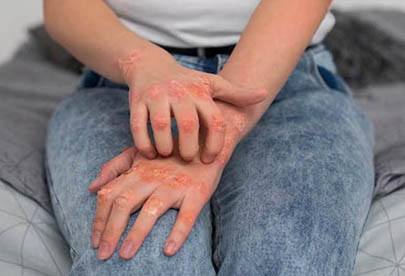
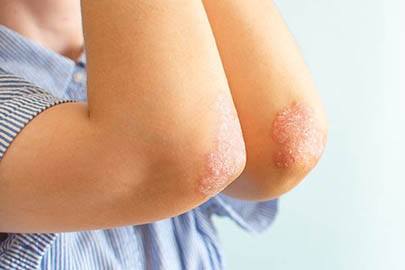
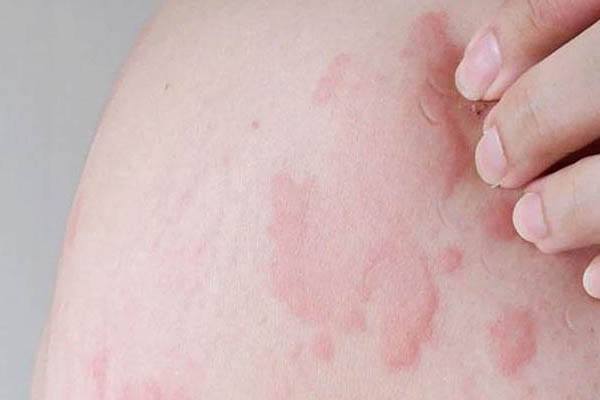
Lichen planus is a chronic inflammatory condition that affects the skin, mucous membranes, and sometimes the nails. It is characterized by the presence of small, flat-topped, polygonal bumps or lesions that can be purplish, reddish, or brownish in color. These lesions may be itchy and may cause discomfort, particularly when they occur in sensitive areas such as the mouth or genitals.
Lichen planus is not contagious and its exact cause is unknown, although it is believed to involve an abnormal immune response.
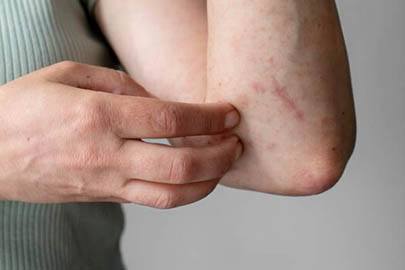
There are several types of lichen planus, including:
There are four types of Lichen Planus:
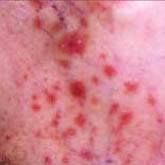 Cutaneous Lichen Planus
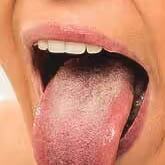 Oral Lichen Planus
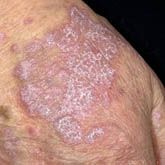 Genital Lichen Planus
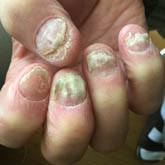 Nail Lichen Planus
Symptoms of lichen planus may include:
Additionally, lichen planus can affect various parts of the body, including the wrists, ankles, lower back, and scalp. The skin lesions may appear shiny or scaly and can range in color from pink to purple.
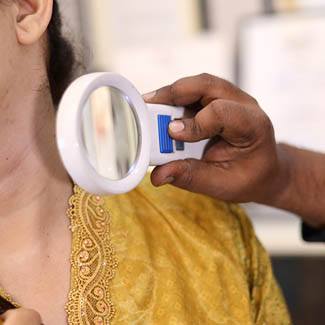
Itching is a common symptom experienced by individuals with lichen planus, often intensifying in the evenings or after exposure to heat. Discomfort or pain may arise, particularly when lesions occur in sensitive areas such as the mouth, genitals, or areas where skin rubs together.
Furthermore, the course of lichen planus can be unpredictable, with symptoms sometimes resolving spontaneously and other times persisting for months or even years. In some cases, lichen planus may flare up intermittently, followed by periods of remission. Proper diagnosis and management by a healthcare professional are essential to alleviate symptoms and prevent complications. Treatment options may include topical corticosteroids, oral antihistamines, phototherapy, or other medications to help manage itching and inflammation associated with lichen planus.
Lichen planus is not contagious. It is an inflammatory condition that results from an abnormal immune response, leading to the development of characteristic skin lesions, mucosal involvement, or nail changes. Unlike contagious conditions caused by infectious agents such as bacteria or viruses, lichen planus cannot be transmitted from person to person through direct contact or exposure to airborne particles.
While the exact cause of lichen planus is not fully understood, it is believed to involve a combination of genetic, environmental, and immune factors. Certain triggers, such as stress, medications, infections, or allergens, may contribute to the onset or exacerbation of lichen planus in susceptible individuals. However, these triggers do not make the condition contagious in the traditional sense.
The exact cause of lichen planus is unknown, but it is believed to involve an abnormal immune response. It may be triggered by factors such as stress, certain medications, infections, or underlying health conditions. Lichen planus is not contagious and cannot be spread from person to person.

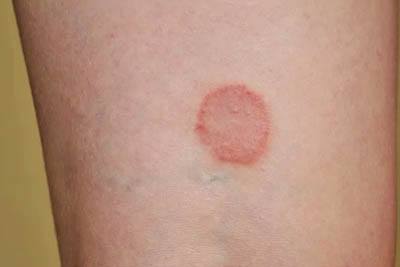
Furthermore, while the precise trigger for the abnormal immune response in lichen planus remains unclear, certain genetic and environmental factors may predispose individuals to the condition. Research suggests that genetic susceptibility, autoimmune mechanisms, and viral infections, such as hepatitis C virus (HCV) or human papillomavirus (HPV), may play a role in the development of lichen planus. Additionally, some evidence suggests a potential link between lichen planus and allergic reactions or hypersensitivity to certain medications or dental materials. However, more research is needed to fully understand the complex interplay of factors contributing to the onset and progression of lichen planus.
Diagnosing lichen planus typically involves a combination of clinical examination, medical history review, and, in some cases, additional tests to confirm the diagnosis. Here's a brief overview of the diagnostic process:
The healthcare provider will conduct a thorough examination of the affected areas, looking for characteristic signs of lichen planus such as small, flat-topped bumps or lesions on the skin, mucous membranes, or nails. The appearance, distribution, and pattern of the lesions are important clues for diagnosing lichen planus. Additionally, the presence of symptoms such as itching, discomfort, or pain may support the diagnosis.
The healthcare provider will inquire about the patient's medical history, including any previous skin conditions, medications, allergies, or underlying health conditions. It's important to discuss any recent changes in medications, exposure to potential triggers, or family history of lichen planus or related autoimmune disorders.
In some cases, a skin biopsy may be performed to confirm the diagnosis of lichen planus and rule out other possible causes of similar skin lesions. During a biopsy, a small sample of affected skin tissue is removed and examined under a microscope by a dermatopathologist. The characteristic features of lichen planus, such as saw-toothed epidermal hyperplasia and a dense lymphocytic infiltrate in the dermis, can help confirm the diagnosis.
In certain situations, additional tests may be recommended to evaluate for underlying conditions associated with lichen planus, such as hepatitis C virus (HCV) infection or autoimmune diseases. Blood tests, serological tests, or imaging studies may be ordered based on the patient's medical history and clinical presentation.
Once a diagnosis of lichen planus is confirmed, the healthcare provider will work with the patient to develop a treatment plan tailored to their specific needs and circumstances. Treatment options may include topical corticosteroids, oral medications, phototherapy, or other interventions to help manage symptoms and prevent complications associated with lichen planus. Regular follow-up appointments may be scheduled to monitor progress and adjust treatment as needed.
Our approach to treating lichen planus at Homoethics is rooted in the principles of homeopathic medicine, which focus on stimulating the body's natural healing processes to restore balance and harmony. Rather than simply suppressing symptoms, we aim to address the underlying causes of lichen planus, such as immune system dysfunction and genetic predisposition.
Dr. Vivek Kumar takes a comprehensive approach to lichen planus treatment, considering the patient's medical history, lifestyle factors, and individual symptoms to develop personalized treatment plans. Through the use of carefully selected homeopathic remedies, dietary modifications, and lifestyle recommendations, we strive to alleviate symptoms, reduce inflammation, and prevent recurrence of flare-ups.

At Homoethics, we believe in empowering patients to take an active role in their healing journey and provide ongoing support and guidance every step of the way. With our holistic approach to lichen planus treatment, we aim to help patients achieve clearer, healthier skin and improve their overall quality of life.
Homeothics is committed to providing personalized homeopathic care with a patient-first approach. Every treatment plan is carefully designed after understanding the patient's symptoms, medical history, lifestyle, and overall health instead of following a one-size-fits-all approach. Dr. Vivek Kumar has over 19 years of clinical experience in managing a wide range of acute and chronic health conditions through individualized homeopathic treatment. Patients from across Meerut and nearby cities trust Homeothics for professional consultation, compassionate care, and continuous treatment support. The focus is always on providing safe, personalized, and holistic homeopathic care to help improve overall health and well-being.
Dr. Vivek Kumar is an experienced homeopathic doctor in Meerut, known for his personalized consultation, detailed case evaluation, and patient-centric approach. Every patient receives adequate consultation time to discuss symptoms, medical history, and overall health before an individualized homeopathic treatment plan is prepared. His ethical practice, compassionate care, and commitment to continuous learning have earned the trust of patients from across Meerut, including Modipuram, Pallavpuram, Kankar Khera, Shastri Nagar, Mangal Pandey Nagar, Jagriti Vihar, Ganga Nagar, Civil Lines, Saket, Abu Lane, Delhi Road, Garh Road, Rohta Road, Partapur, Mawana Road and other nearby localities.
Homeothics welcomes patients from across Meerut, including Modipuram, Pallavpuram, Kankar Khera, Shastri Nagar, Mangal Pandey Nagar, Jagriti Vihar, Ganga Nagar, Civil Lines, Saket, Abu Lane, Delhi Road, Garh Road, Rohta Road, Partapur, Mawana Road and other nearby localities. Patients also visit the clinic from surrounding cities and towns such as Mawana, Sardhana, Daurala, Modinagar, Khatauli, Baghpat, Hapur, Garhmukteshwar, Bulandshahr, Muzaffarnagar, Shamli and Bijnor for personalized homeopathic consultation and treatment. Every treatment plan is prepared after understanding the patient's symptoms, medical history, lifestyle, and overall health to provide individualized homeopathic care.
Lichen planus is a chronic inflammatory condition that affects the skin, mucous membranes, hair, and nails. It is characterized by the development of flat-topped, itchy, purple-colored bumps or lesions on the skin, typically on the wrists, ankles, lower back, and scalp. Lichen planus can also affect mucous membranes inside the mouth, genitals, esophagus, and other areas, causing white, lacy patches or erosive lesions.
The exact cause of lichen planus is unknown, but it is believed to involve an abnormal immune response. Potential triggers for lichen planus may include genetic predisposition, autoimmune mechanisms, viral infections (such as hepatitis C virus or human papillomavirus), certain medications, and allergic reactions. However, the condition is not fully understood, and the precise trigger for the immune response in lichen planus remains unclear.
No, lichen planus is not contagious. It is an inflammatory skin condition caused by factors such as genetics, immune system dysfunction, and potential triggers like infections or medications. Unlike contagious skin conditions caused by infectious agents such as bacteria or viruses, lichen planus cannot be transmitted from person to person through direct contact or exposure to airborne particles.
While the exact relationship between lichen planus and allergies is not fully understood, some evidence suggests a potential link between certain allergens and the development or exacerbation of lichen planus in susceptible individuals. Allergic reactions to medications, foods, or environmental allergens may trigger or worsen lichen planus symptoms in some cases. However, more research is needed to clarify the role of allergies in the pathogenesis of lichen planus.