Contact Info
-
Branch 1: Pallav Towers, Pallavpuram Phase 2, Modipuram.
-
Branch 2: 11, Tyagi Hostel Market, W. K. Road, Meerut
- homeothics@gmail.com
- 7500738000
Branch 1: Pallav Towers, Pallavpuram Phase 2, Modipuram.
Branch 2: 11, Tyagi Hostel Market, W. K. Road, Meerut
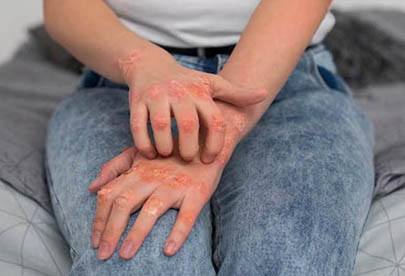
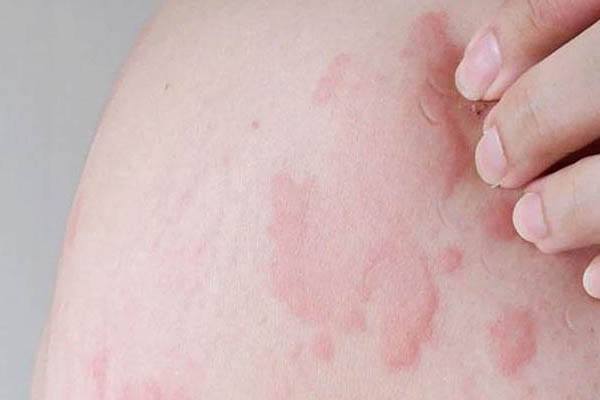
Dermatitis is a common skin condition characterized by inflammation of the skin. It can manifest in various forms, ranging from mild redness and itching to more severe symptoms such as blistering and oozing.
Dermatitis can be caused by a variety of factors, including allergic reactions, irritants, and genetic predisposition. It often presents as a rash on the skin, and while it is not contagious, it can be uncomfortable and distressing for those affected.

There are several types of dermatitis, each with its own unique characteristics:
There are five types of Dermatitis:
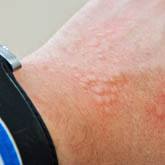 Contact Dermatitis
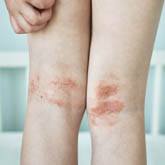 Atopic Dermatitis
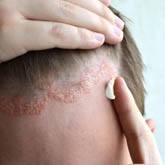 Seborrheic Dermatitis
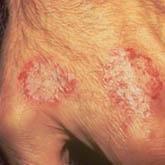 Nummular Dermatitis
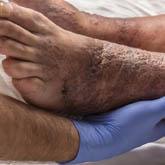 Stasis Dermatitis
Common symptoms of dermatitis include:
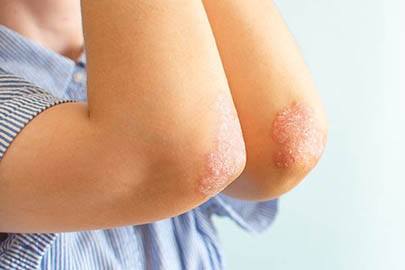
Continuing from the symptoms mentioned, dermatitis can manifest in various forms depending on the type and severity of the condition. In some cases, dermatitis may present as patches of raised, red skin (known as plaques) that are often accompanied by a burning or stinging sensation. Additionally, individuals with dermatitis may experience changes in skin texture, with areas of roughness or thickening due to chronic inflammation and scratching.
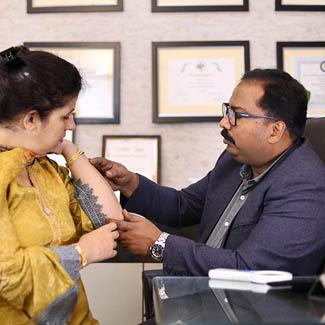
These plaques can be widespread or localized to specific areas of the body, such as the hands, face, or flexural areas like the elbows and knees.
Furthermore, dermatitis can have a significant impact on a person's quality of life, causing discomfort, embarrassment, and emotional distress. Persistent itching and discomfort may interfere with daily activities and disrupt sleep patterns, leading to fatigue and irritability. Additionally, the visible symptoms of dermatitis can affect self-esteem and confidence, particularly if lesions are prominent or difficult to conceal. It's important for individuals experiencing symptoms of dermatitis to seek medical attention for an accurate diagnosis and appropriate treatment to alleviate symptoms and improve quality of life.
Dermatitis itself is not contagious. It is a non-infectious inflammatory skin condition that results from various factors such as genetics, immune system dysfunction, and environmental triggers. Unlike contagious skin conditions caused by bacteria, viruses, or fungi, dermatitis cannot be transmitted from person to person through direct contact or airborne particles.
However, certain factors associated with dermatitis, such as scratching and open wounds, can increase the risk of secondary infections. If the skin becomes infected, the infectious agent (e.g., bacteria) can potentially be transmitted to others through direct contact. Therefore, while dermatitis itself is not contagious, it's essential to practice good hygiene and proper wound care to reduce the risk of infection and prevent the spread of infectious agents. Additionally, individuals with dermatitis should avoid sharing personal items such as towels, clothing, and skincare products to minimize the risk of exacerbating their condition or transmitting potential pathogens.
Dermatitis can be caused by a variety of factors, including:
Additionally, dermatitis can be triggered or exacerbated by certain lifestyle factors and habits. For example, frequent exposure to water, especially hot water, can strip the skin of its natural oils and disrupt the skin barrier, leading to dryness and irritation. Similarly, prolonged or repeated contact with irritants or allergens in the workplace, such as chemicals, solvents, or certain types of plants, can contribute to the development of occupational dermatitis. Moreover, lifestyle choices such as smoking, excessive alcohol consumption, and poor dietary habits can impact skin health and increase susceptibility to dermatitis.

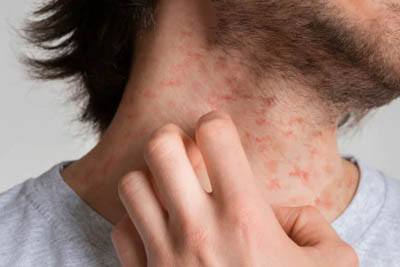
Furthermore, stress and emotional factors can play a significant role in the development and exacerbation of dermatitis. Psychological stressors, such as anxiety, depression, or chronic stress, can trigger inflammatory responses in the body and weaken the immune system, making individuals more susceptible to skin conditions like dermatitis. Additionally, stress can exacerbate symptoms of existing dermatitis by increasing itchiness, inflammation, and the urge to scratch, leading to further skin damage and irritation. Therefore, addressing stress through relaxation techniques, stress management strategies, and seeking emotional support can be an essential component of managing dermatitis effectively.
Diagnosing dermatitis typically involves a thorough evaluation of the patient's medical history, symptoms, and physical examination. Here's a concise overview of the diagnostic process:
The healthcare provider will begin by asking the patient about their symptoms, including when they first appeared, any triggers or exacerbating factors, previous treatments or medications used, and any relevant medical conditions or allergies. A detailed medical history can provide valuable insights into the potential causes and nature of the dermatitis.
Since dermatitis can manifest in various forms and mimic other skin conditions, the healthcare provider may consider differential diagnoses to rule out other possible causes. This may involve distinguishing between different types of dermatitis (e.g., atopic dermatitis, contact dermatitis, seborrheic dermatitis) or differentiating dermatitis from conditions such as psoriasis, eczema, fungal infections, or autoimmune disorders.
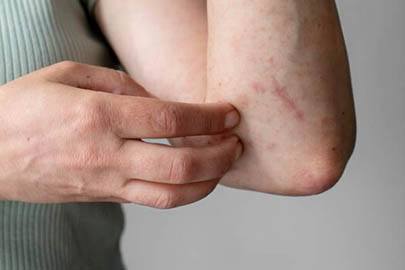
The healthcare provider will conduct a physical examination of the affected skin, looking for characteristic signs of dermatitis such as redness, swelling, inflammation, dryness, scaling, blistering, or oozing. The examination may also involve assessing the distribution and pattern of skin lesions, as well as any associated symptoms such as itching or pain.
In some cases, additional tests may be necessary to support the diagnosis or identify underlying triggers or contributing factors. This may include patch testing to identify specific allergens or irritants causing contact dermatitis, skin biopsies to rule out other skin conditions, or blood tests to assess for systemic conditions or allergies.
Once a diagnosis of dermatitis is established, the healthcare provider will work with the patient to develop a treatment plan tailored to their specific needs and circumstances. This may involve topical medications, oral medications, lifestyle modifications (e.g., avoiding triggers, maintaining proper skincare routines), and patient education. Follow-up appointments may be scheduled to monitor progress, adjust treatment as needed, and provide ongoing support and management.
In summary, diagnosing dermatitis involves a comprehensive approach that considers the patient's medical history, physical examination findings, differential diagnoses, and additional tests when necessary. By accurately identifying the type and underlying causes of dermatitis, healthcare providers can develop targeted treatment plans to effectively manage the condition and improve patient outcomes.
Our approach to treating dermatitis at Homoethics is rooted in the principles of homeopathic medicine, which focus on stimulating the body's natural healing processes to restore balance and harmony. Rather than simply suppressing symptoms, we aim to address the underlying causes of dermatitis, such as immune system dysfunction and genetic predisposition.
Dr. Vivek Kumar takes a comprehensive approach to dermatitis treatment, considering the patient's medical history, lifestyle factors, and individual symptoms to develop personalized treatment plans. Through the use of carefully selected homeopathic remedies, dietary modifications, and lifestyle recommendations, we strive to alleviate symptoms, reduce inflammation, and prevent recurrence of flare-ups.
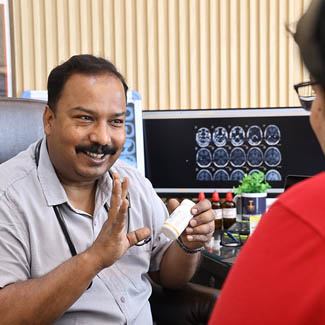
At Homoethics, we believe in empowering patients to take an active role in their healing journey and provide ongoing support and guidance every step of the way. With our holistic approach to dermatitis treatment, we aim to help patients achieve clearer, healthier skin and improve their overall quality of life.
Homeothics is committed to providing personalized homeopathic care with a patient-first approach. Every treatment plan is carefully designed after understanding the patient's symptoms, medical history, lifestyle, and overall health instead of following a one-size-fits-all approach. Dr. Vivek Kumar has over 19 years of clinical experience in managing a wide range of acute and chronic health conditions through individualized homeopathic treatment. Patients from across Meerut and nearby cities trust Homeothics for professional consultation, compassionate care, and continuous treatment support. The focus is always on providing safe, personalized, and holistic homeopathic care to help improve overall health and well-being.
Dr. Vivek Kumar is an experienced homeopathic doctor in Meerut, known for his personalized consultation, detailed case evaluation, and patient-centric approach. Every patient receives adequate consultation time to discuss symptoms, medical history, and overall health before an individualized homeopathic treatment plan is prepared. His ethical practice, compassionate care, and commitment to continuous learning have earned the trust of patients from across Meerut, including Modipuram, Pallavpuram, Kankar Khera, Shastri Nagar, Mangal Pandey Nagar, Jagriti Vihar, Ganga Nagar, Civil Lines, Saket, Abu Lane, Delhi Road, Garh Road, Rohta Road, Partapur, Mawana Road and other nearby localities.
Homeothics welcomes patients from across Meerut, including Modipuram, Pallavpuram, Kankar Khera, Shastri Nagar, Mangal Pandey Nagar, Jagriti Vihar, Ganga Nagar, Civil Lines, Saket, Abu Lane, Delhi Road, Garh Road, Rohta Road, Partapur, Mawana Road and other nearby localities. Patients also visit the clinic from surrounding cities and towns such as Mawana, Sardhana, Daurala, Modinagar, Khatauli, Baghpat, Hapur, Garhmukteshwar, Bulandshahr, Muzaffarnagar, Shamli and Bijnor for personalized homeopathic consultation and treatment. Every treatment plan is prepared after understanding the patient's symptoms, medical history, lifestyle, and overall health to provide individualized homeopathic care.
Dermatitis is a general term used to describe inflammation of the skin. It encompasses a range of skin conditions characterized by redness, swelling, itching, and sometimes blistering or oozing. Common types of dermatitis include atopic dermatitis (eczema), contact dermatitis (caused by contact with irritants or allergens), seborrheic dermatitis (affecting areas rich in oil glands), and allergic dermatitis (resulting from an allergic reaction).
Dermatitis can be caused by various factors, including genetic predisposition, immune system dysfunction, environmental triggers, and exposure to irritants or allergens. Specific causes may include allergens such as pollen, pet dander, or certain foods; irritants like soaps, detergents, or chemicals; environmental factors such as dry or cold weather; and underlying health conditions or infections.
No, dermatitis itself is not contagious. It is an inflammatory skin condition that results from factors such as genetics, immune system dysfunction, and environmental triggers. Unlike contagious skin conditions caused by bacteria, viruses, or fungi, dermatitis cannot be transmitted from person to person through direct contact or exposure to airborne particles.
Yes, dermatitis can be related to allergies. Allergic dermatitis, also known as allergic contact dermatitis, occurs when the skin comes into contact with an allergen that triggers an allergic reaction. Common allergens that can cause allergic dermatitis include metals (such as nickel), cosmetics, fragrances, latex, and certain plants. Individuals with a history of allergies, asthma, or atopic dermatitis (eczema) may be more susceptible to allergic dermatitis. Identifying and avoiding allergens is an essential part of managing allergic dermatitis.