
Contact Info
-
Branch 1: Pallav Towers, Pallavpuram Phase 2, Modipuram.
-
Branch 2: 11, Tyagi Hostel Market, W. K. Road, Meerut
- homeothics@gmail.com
- 7500738000
Branch 1: Pallav Towers, Pallavpuram Phase 2, Modipuram.
Branch 2: 11, Tyagi Hostel Market, W. K. Road, Meerut
Allergies are a common and often chronic condition that occurs when the body's immune system reacts abnormally to a substance that is typically harmless.
These substances, known as allergens, can trigger an immune response that leads to various symptoms ranging from mild discomfort to severe reactions. Allergies can affect people of all ages and may develop at any point in life.
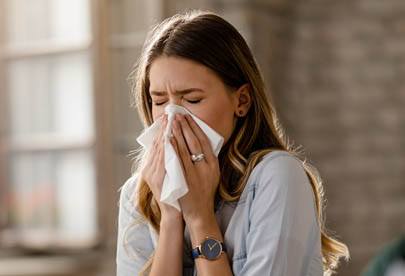
There are several types of allergies, including:
There are five types of Allergies:
 Food Allergies
 Seasonal Allergies
 Allergic Rhinitis
 Allergic Asthma
 Drug Allergies
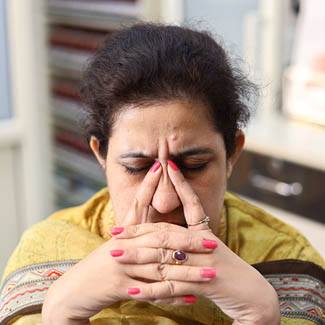
Symptoms of allergies can vary depending on the type of allergen and the individual's sensitivity. Common symptoms of allergies include:
No, allergies themselves are not contagious. Allergies are immune responses triggered by exposure to allergens, such as pollen, dust mites, pet dander, certain foods, medications, or insect stings. Unlike contagious diseases caused by bacteria or viruses, allergies cannot be transmitted from person to person through direct contact or airborne particles.
However, it's important to note that certain infectious diseases can cause symptoms similar to allergies. For example, the common cold or viral respiratory infections can cause sneezing, runny nose, and congestion, which may be mistaken for allergy symptoms. In such cases, the illness itself may be contagious, but the allergic response is not.
Additionally, while allergies themselves are not contagious, some people may have a genetic predisposition to developing allergies. If one or both parents have allergies, their children may be at higher risk of developing allergies as well. However, this increased risk is due to genetic factors rather than direct transmission of the allergy itself.
Allergies occur when the immune system mistakenly identifies a harmless substance as a threat and mounts an immune response against it. This immune response leads to the release of chemicals such as histamine, which cause allergy symptoms. Genetic factors, environmental exposures, and lifestyle factors can all play a role in the development of allergies.
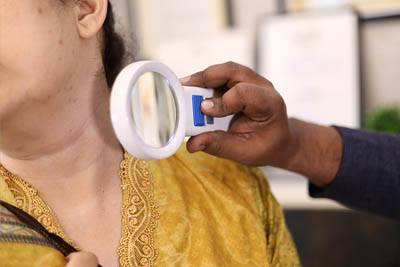
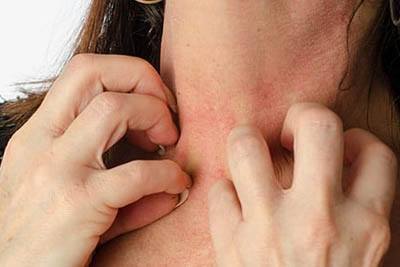
Furthermore, the specific triggers for allergies can vary widely among individuals. Common allergens that can trigger allergic reactions include pollen, dust mites, pet dander, mold, certain foods (such as peanuts, tree nuts, shellfish, dairy, eggs, wheat, and soy), medications (such as antibiotics or nonsteroidal anti-inflammatory drugs), insect stings or bites, latex, and certain environmental factors (such as air pollution or cigarette smoke). Exposure to allergens can occur through inhalation, ingestion, skin contact, or injection, depending on the allergen and the individual's sensitivity. Identifying and avoiding known allergens is an essential part of managing allergies and reducing the frequency and severity of allergic reactions.
Treatment for allergies typically involves avoiding allergens whenever possible and using medications to alleviate symptoms. Common medications for allergies include antihistamines, decongestants, nasal corticosteroids, and allergy shots (immunotherapy). In addition to medication, lifestyle modifications such as using air purifiers, washing bedding frequently, and keeping pets out of the bedroom can help reduce exposure to allergens.
At Homoethics by Dr. Vivek Kumar, we offer holistic treatment approaches for allergies, addressing the underlying imbalances in the body's immune system and providing personalized homeopathic treatments tailored to each individual's unique needs. Through comprehensive evaluation and individualized care plans, we aim to help patients manage their allergies effectively and improve their overall quality of life.
At Homeoethics, our approach to treating allergies is grounded in the principles of homeopathic medicine, emphasizing the body's innate ability to heal itself. Rather than merely masking symptoms, we target the underlying causes of allergies, including immune system dysregulation and hypersensitivity reactions.
Dr. Vivek Kumar takes a comprehensive approach to allergy treatment, considering each patient's unique medical history, lifestyle factors, and specific allergy triggers to develop personalized treatment plans. Using carefully selected homeopathic remedies, along with dietary modifications and lifestyle recommendations, we aim to alleviate allergy symptoms, reduce inflammation, and prevent future flare-ups.
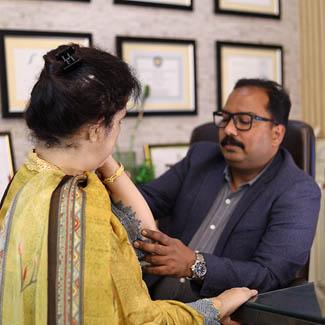
We believe in empowering patients to actively participate in their healing journey and provide ongoing support and guidance to help them achieve lasting relief from allergies and improve their overall well-being.
Homeothics is committed to providing personalized homeopathic care with a patient-first approach. Every treatment plan is carefully designed after understanding the patient's symptoms, medical history, lifestyle, and overall health instead of following a one-size-fits-all approach. Dr. Vivek Kumar has over 19 years of clinical experience in managing a wide range of acute and chronic health conditions through individualized homeopathic treatment. Patients from across Meerut and nearby cities trust Homeothics for professional consultation, compassionate care, and continuous treatment support. The focus is always on providing safe, personalized, and holistic homeopathic care to help improve overall health and well-being.
Dr. Vivek Kumar is an experienced homeopathic doctor in Meerut, known for his personalized consultation, detailed case evaluation, and patient-centric approach. Every patient receives adequate consultation time to discuss symptoms, medical history, and overall health before an individualized homeopathic treatment plan is prepared. His ethical practice, compassionate care, and commitment to continuous learning have earned the trust of patients from across Meerut, including Modipuram, Pallavpuram, Kankar Khera, Shastri Nagar, Mangal Pandey Nagar, Jagriti Vihar, Ganga Nagar, Civil Lines, Saket, Abu Lane, Delhi Road, Garh Road, Rohta Road, Partapur, Mawana Road and other nearby localities.
Homeothics welcomes patients from across Meerut, including Modipuram, Pallavpuram, Kankar Khera, Shastri Nagar, Mangal Pandey Nagar, Jagriti Vihar, Ganga Nagar, Civil Lines, Saket, Abu Lane, Delhi Road, Garh Road, Rohta Road, Partapur, Mawana Road and other nearby localities. Patients also visit the clinic from surrounding cities and towns such as Mawana, Sardhana, Daurala, Modinagar, Khatauli, Baghpat, Hapur, Garhmukteshwar, Bulandshahr, Muzaffarnagar, Shamli and Bijnor for personalized homeopathic consultation and treatment. Every treatment plan is prepared after understanding the patient's symptoms, medical history, lifestyle, and overall health to provide individualized homeopathic care.
Homeothics is committed to providing personalized homeopathic care with a patient-first approach. Every treatment plan is carefully designed after understanding the patient's symptoms, medical history, lifestyle, and overall health instead of following a one-size-fits-all approach. Dr. Vivek Kumar has over 19 years of clinical experience in managing a wide range of acute and chronic health conditions through individualized homeopathic treatment. Patients from across Meerut and nearby cities trust Homeothics for professional consultation, compassionate care, and continuous treatment support. The focus is always on providing safe, personalized, and holistic homeopathic care to help improve overall health and well-being.
Dr. Vivek Kumar is an experienced homeopathic doctor in Meerut, known for his personalized consultation, detailed case evaluation, and patient-centric approach. Every patient receives adequate consultation time to discuss symptoms, medical history, and overall health before an individualized homeopathic treatment plan is prepared. His ethical practice, compassionate care, and commitment to continuous learning have earned the trust of patients from across Meerut, including Modipuram, Pallavpuram, Kankar Khera, Shastri Nagar, Mangal Pandey Nagar, Jagriti Vihar, Ganga Nagar, Civil Lines, Saket, Abu Lane, Delhi Road, Garh Road, Rohta Road, Partapur, Mawana Road and other nearby localities.
Homeothics welcomes patients from across Meerut, including Modipuram, Pallavpuram, Kankar Khera, Shastri Nagar, Mangal Pandey Nagar, Jagriti Vihar, Ganga Nagar, Civil Lines, Saket, Abu Lane, Delhi Road, Garh Road, Rohta Road, Partapur, Mawana Road and other nearby localities. Patients also visit the clinic from surrounding cities and towns such as Mawana, Sardhana, Daurala, Modinagar, Khatauli, Baghpat, Hapur, Garhmukteshwar, Bulandshahr, Muzaffarnagar, Shamli and Bijnor for personalized homeopathic consultation and treatment. Every treatment plan is prepared after understanding the patient's symptoms, medical history, lifestyle, and overall health to provide individualized homeopathic care.
Allergies are immune system reactions to substances that are typically harmless to most people. When an allergic individual comes into contact with an allergen, their immune system mistakenly identifies it as a threat and produces an exaggerated response, leading to symptoms such as sneezing, runny nose, itching, swelling, or rash. Common allergens include pollen, dust mites, pet dander, certain foods, medications, insect stings, and environmental factors.
Allergies are typically diagnosed through a combination of medical history review, physical examination, and allergy testing. The healthcare provider will inquire about the onset, duration, and characteristics of symptoms, as well as potential triggers and exposures. Allergy testing may include skin prick tests, blood tests (such as IgE antibody tests), or patch tests to identify specific allergens that trigger allergic reactions.
Yes, there are different types of allergies, depending on the allergen and the route of exposure. Common types of allergies include:
Allergic rhinitis (hay fever): triggered by airborne allergens such as pollen, dust mites, or pet dander.
Allergic conjunctivitis: allergic reaction affecting the eyes, often caused by the same allergens as allergic rhinitis.
Food allergies: immune reactions to certain foods such as peanuts, tree nuts, shellfish, dairy, eggs, wheat, and soy.
Medication allergies: allergic reactions to medications such as antibiotics, nonsteroidal anti-inflammatory drugs (NSAIDs), or certain vaccines.
Insect sting allergies: allergic reactions to insect venom from stings or bites, such as those from bees, wasps, or fire ants.
Allergies can manifest with a variety of symptoms, depending on the type of allergen and individual sensitivity. Common symptoms include sneezing, runny or stuffy nose, itching of the eyes, nose, or throat, watery eyes, coughing, wheezing, shortness of breath, chest tightness, skin rash or hives, swelling of the face, lips, tongue, or throat, and gastrointestinal symptoms such as nausea, vomiting, or diarrhea. It's essential to consult a healthcare professional for proper diagnosis and treatment if you suspect you have allergies.