Contact Info
-
Branch 1: Pallav Towers, Pallavpuram Phase 2, Modipuram.
-
Branch 2: 11, Tyagi Hostel Market, W. K. Road, Meerut
- homeothics@gmail.com
- 7500738000
Branch 1: Pallav Towers, Pallavpuram Phase 2, Modipuram.
Branch 2: 11, Tyagi Hostel Market, W. K. Road, Meerut
Amenorrhea refers to the absence of a menstrual period. It's a common concern, affecting women of all ages. While missing a period occasionally is normal, especially during times of stress, fatigue, or travel, amenorrhea can sometimes indicate an underlying health issue.

There are two main types of amenorrhea:
Amenorrhea can be caused by various factors, including:

The main symptom of amenorrhea is the absence of a menstrual period. However, depending on the underlying cause, you might also experience:

At Homeothics, we believe in a holistic approach to address amenorrhea. Dr. Vivek Kumar will develop a personalized plan based on your specific situation, considering your medical history and potential causes. Homeopathic remedies may help by:
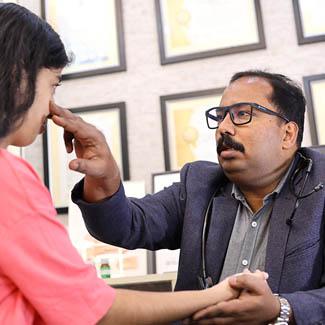
Homeothics is committed to providing personalized homeopathic care with a patient-first approach. Every treatment plan is carefully designed after understanding the patient's symptoms, medical history, lifestyle, and overall health instead of following a one-size-fits-all approach. Dr. Vivek Kumar has over 19 years of clinical experience in managing a wide range of acute and chronic health conditions through individualized homeopathic treatment. Patients from across Meerut and nearby cities trust Homeothics for professional consultation, compassionate care, and continuous treatment support. The focus is always on providing safe, personalized, and holistic homeopathic care to help improve overall health and well-being.
Dr. Vivek Kumar is an experienced homeopathic doctor in Meerut, known for his personalized consultation, detailed case evaluation, and patient-centric approach. Every patient receives adequate consultation time to discuss symptoms, medical history, and overall health before an individualized homeopathic treatment plan is prepared. His ethical practice, compassionate care, and commitment to continuous learning have earned the trust of patients from across Meerut, including Modipuram, Pallavpuram, Kankar Khera, Shastri Nagar, Mangal Pandey Nagar, Jagriti Vihar, Ganga Nagar, Civil Lines, Saket, Abu Lane, Delhi Road, Garh Road, Rohta Road, Partapur, Mawana Road and other nearby localities.
Homeothics welcomes patients from across Meerut, including Modipuram, Pallavpuram, Kankar Khera, Shastri Nagar, Mangal Pandey Nagar, Jagriti Vihar, Ganga Nagar, Civil Lines, Saket, Abu Lane, Delhi Road, Garh Road, Rohta Road, Partapur, Mawana Road and other nearby localities. Patients also visit the clinic from surrounding cities and towns such as Mawana, Sardhana, Daurala, Modinagar, Khatauli, Baghpat, Hapur, Garhmukteshwar, Bulandshahr, Muzaffarnagar, Shamli and Bijnor for personalized homeopathic consultation and treatment. Every treatment plan is prepared after understanding the patient's symptoms, medical history, lifestyle, and overall health to provide individualized homeopathic care.
Homeopathic medicine offers a holistic approach to managing dysmenorrhea by addressing symptoms such as menstrual cramps, pelvic pain, and associated discomfort. Homeopathic remedies are selected based on individual symptoms and characteristics, aiming to provide relief from dysmenorrhea symptoms, regulate menstrual cycles, and promote overall well-being without the use of harsh medications or invasive procedures.
Homeopathic medicine for dysmenorrhea offers several benefits, including effectiveness in reducing menstrual cramps, alleviating pelvic pain, and addressing underlying hormonal imbalances. Homeopathic remedies are safe, non-toxic, and gentle, making them suitable for people of all ages, including those seeking alternatives to conventional treatments.
Yes, homeopathic medicine is considered safe and effective for managing dysmenorrhea when prescribed by a qualified homeopath. Homeopathic remedies work in harmony with the body's natural healing mechanisms, offering gentle relief from symptoms without the risk of dependency or side effects associated with conventional treatments. However, it's essential to consult with a healthcare professional for proper diagnosis and personalized treatment.
The duration of treatment and the time to see results with homeopathic medicine for dysmenorrhea can vary depending on individual factors such as the severity of symptoms, overall health, and adherence to treatment. While some people may experience improvement within weeks or months, others may require longer-term treatment to achieve significant results. Regular follow-ups with a qualified homeopath are important for monitoring progress and adjusting treatment as needed.